‘Pink Smile’ Initiative Brings Hope to 4,200 Families Battling Anaemia and Malnutrition in Kosi

By
 CSRBOX
May 2, 2025
PepsiCo India
In many rural pockets of India, something as basic as proper nutrition is a luxury. For thousands of women and children, the daily struggle isn’t just about putting food on the table—it’s about getting the right kind of food to stay healthy. Anaemia and malnutrition remain silent threats, robbing people of energy, slowing children’s growth, and making routine activities feel exhausting.
A lack of awareness, access to healthcare, and nutritious meals only makes things worse. Many families don’t even realize they are suffering from these conditions until they reach a critical stage. But what if help could reach them before it’s too late?
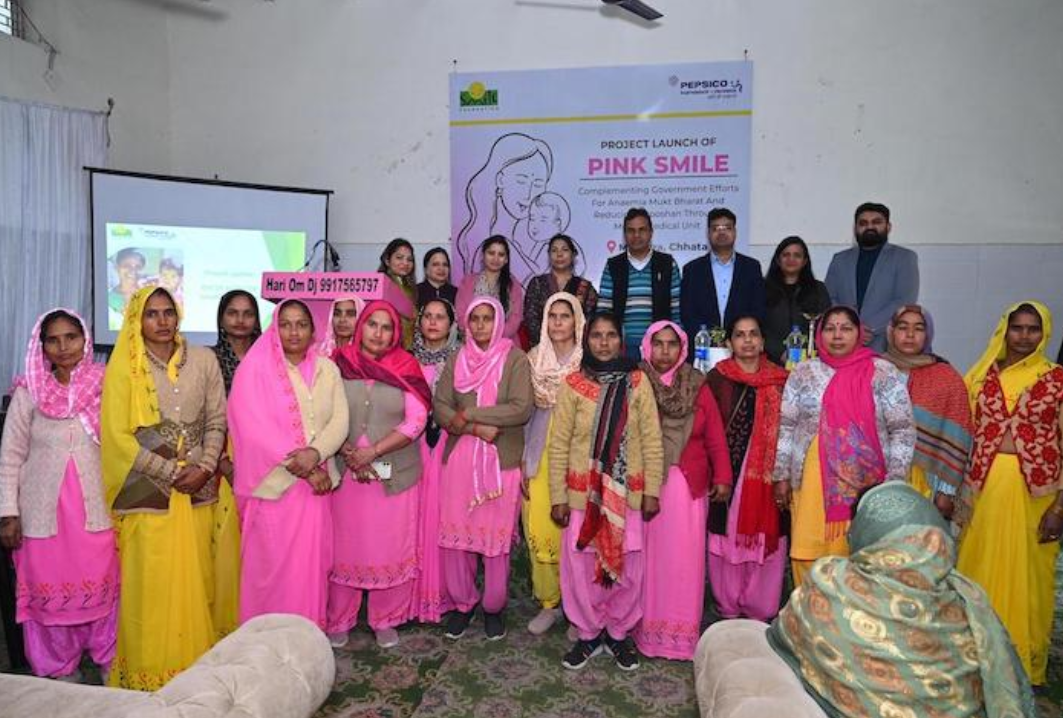
That’s exactly what the Pink Smile Initiative is doing. By providing screenings, medical check-ups, and nutrition support, this initiative is making sure no one fights malnutrition alone. In Kosi, Uttar Pradesh, the program has already reached 4,200 individuals, delivering life-changing health interventions where they’re needed most.
Launched by PepsiCo India in partnership with Smile Foundation, the initiative reflects a collaborative effort to improve maternal and child health in alignment with national missions like Anaemia Mukt Bharat.
People who live in rural areas encounter multiple healthcare challenges, including remote medical facilities, poor community health awareness, and insufficient funds for healthcare costs. The Pink Smile Initiative tackled these issues through the deployment of Mobile Medical Units (MMUs), which bring healthcare services directly to the doorsteps of underserved communities.
These MMUs deliver a combination of preventive, promotional, and curative healthcare services. They are equipped with diagnostic equipment and manned by trained medical professionals who can perform essential health screenings and administer treatments on-site.
One of the key features of these units is the integration of teleconsultation services, allowing patients in remote locations to connect with medical specialists for advanced advice and diagnosis.
This capability is especially impactful for women and adolescent girls, who often face societal and logistical barriers in accessing healthcare. Teleconsultation enables them to receive personalized medical guidance, discuss their symptoms, and gain knowledge about treatment and prevention strategies, all without having to travel long distances.
Trained healthcare workers operating in these units screen women for anaemia and assess their nutritional status. Early identification of anaemia and malnutrition allows for immediate intervention, preventing complications and promoting faster recovery.
The Pink Smile Initiative takes a targeted approach, focusing its resources on the most vulnerable groups—pregnant women, adolescent girls, and children. These groups are at high risk of developing anaemia and other nutrition-related deficiencies, which can lead to long-term health consequences if left unaddressed.
Outreach efforts include routine anaemia screening camps that evaluate hemoglobin levels to detect anaemia early. Along with diagnostic services, participants receive immediate dietary counseling and nutritional supplements, such as iron-fortified foods and multivitamins, which are vital in reversing early-stage malnutrition and anaemia.
Additionally, community education sessions teach families about the importance of nutrition, how to plan balanced meals, and the inclusion of iron-rich foods such as leafy greens, legumes, and fortified cereals. These sessions help demystify dietary practices and empower families to make healthier food choices within their economic means.
One of the core strategies of the Pink Smile Initiative is building community resilience through grassroots interventions. Many rural dwellers fail to receive diagnoses of anaemia and malnutrition simply because they lack access to basic healthcare services and have limited knowledge of these conditions.
Nutritional deficiencies can weaken immune systems, impair cognitive development in children, and cause persistent fatigue and poor productivity in adults. Recognizing these challenges, the initiative has designed community-based interventions to both prevent and manage these conditions effectively.
Screening camps are not only diagnostic hubs but also platforms for education and engagement. Through these events, families gain insights into symptoms, causes, and treatments for anaemia and malnutrition. These camps also serve as venues for distributing nutritional kits, iron-folic acid tablets, and deworming medication.
The program places significant emphasis on continuous monitoring and follow-up care. Community health workers regularly visit beneficiaries to track their progress, offer additional support, and ensure treatment adherence. This continuous engagement creates a trust-based relationship between healthcare providers and recipients, encouraging long-term commitment to healthy practices.
This multi-stakeholder model—driven by PepsiCo India’s ‘Partnership of Progress’ philosophy—ensures that government, community, and corporate efforts are aligned for long-term impact.
In many parts of rural India, women and adolescent girls are not only more vulnerable to health issues but are also less likely to access the information and support they need. The Pink Smile Initiative places strong emphasis on empowering these groups through targeted health awareness and education.
Teleconsultation services provide a confidential and accessible platform for women and girls to seek medical advice. These sessions cover a wide range of health topics, including maternal care, menstrual hygiene, and anaemia prevention. With accurate, medically sound information, these individuals are better equipped to make informed health decisions.
The initiative also runs awareness drives in schools and Anganwadi centers. These sessions are designed to integrate health education into the daily learning environment, making health knowledge a part of everyday life. Topics such as balanced diets, the importance of iron, and the need for regular health check-ups are presented in engaging and age-appropriate formats.
Community leaders and educators receive ongoing training so they can continue to support health promotion efforts in the long term. By equipping these local influencers with the tools and knowledge they need, the initiative ensures its impact extends far beyond the initial campaign.
The Pink Smile initiative, established in 2017, has extended healthcare assistance and nutritional instruction to 4,200 people in Kosi. Through combined screenings for anaemia and health consultations with nutritional support interventions, the program has discovered 478 anaemic cases while screening 214 children for signs of malnutrition.
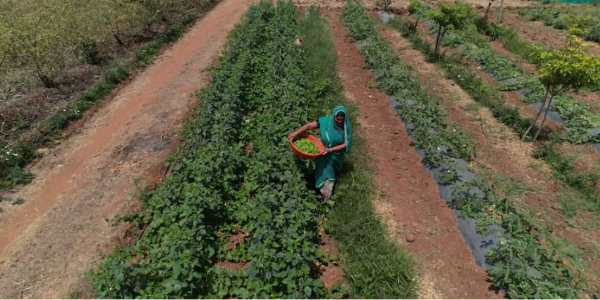
Nutritional support in the form of essential dietary supplements and fortified foods reached 125 children to improve their health conditions. Implemented kitchen gardening projects and community-run nutrition workshops have empowered families to practice sustainable, healthy eating habits.
Healthcare outreach, community education, and continuous monitoring have together built a robust framework to handle both emerging and long-term anaemia and malnutrition concerns. By integrating medical services with awareness programs and sustainable nutrition practices, the initiative has significantly improved public health outcomes in the region.
The Pink Smile initiative aims to broaden its impact by expanding into 10 additional villages, with plans to reach over 40,000 new beneficiaries in the next development phase. Increased anaemia screening and child nutrition assessments will allow for early interventions and improved recovery rates.
Partnerships with local healthcare providers will strengthen the initiative's alignment with national health strategies, ensuring better resource mobilization and knowledge sharing. Continued investment in training local health workers will help maintain momentum and embed healthcare practices within communities.
The initiative will also scale up its kitchen garden program, promoting food self-sufficiency and better dietary practices. Future plans include integrating more health technology solutions to enhance teleconsultation services and expand the reach of Mobile Medical Units.
With a continued focus on preventive care, education, and sustainable nutrition, the Pink Smile Initiative aims to build healthier futures for rural India’s women, adolescents, and children.

More Stories

CSRBOX is India’s leading CSR knowledge and impact intelligence driven media platform for the development community. It serves as an enabler, encouraging collaboration and partnerships between CSR stakeholders. Here, we connect and inform over three million professionals through our online platform, and bridge information gaps by providing a range of services for Corporate, NGOs and Social enterprises, to enhance their capacities, aid collaboration, plan projects, publish knowledge resources, conduct research, amplify their reach and much more.
Submit CSR News
Please submit your CSR news, CSR impact story ideas to us. Our Team will get back to you within 6-12 working hours. You can also email us at info@csrbox.org© Renalysis Consultants Pvt Ltd. All Rights Reserved | Powered by NGOBOX