Bringing Vision Care to Delhi’s Central Jail: ENTOD Pharmaceuticals’ CSR Initiative

By
 CSRBOX
June 9, 2025
ENTOD Pharmaceuticals
India faces a staggering yet often overlooked public health challenge: visual impairment! Over 62 million Indians live with some form of vision loss, and about 13% suffer from complete blindness. The causes vary, from untreated cataracts and refractive errors to glaucoma and diabetic retinopathy.
Yet, what remains constant is the silence with which these conditions progress, robbing individuals of their independence, dignity, and quality of life.
Unfortunately, access to timely and quality eye care is not equally available to all. Inmates in correctional facilities represent a particularly neglected population when it comes to healthcare access, especially for specialized services like ophthalmology. In these institutional settings, poor vision is not just a health issue, it becomes a barrier to rehabilitation and self-reliance.
To address this glaring gap, ENTOD Pharmaceuticals, in collaboration with Vardhman Mahavir Medical College (VMMC) and Safdarjung Hospital, organised a dedicated eye care camp at the Central Jail in Delhi on January 21, 2025.
The initiative provided comprehensive vision screenings, treatments, and awareness sessions to over 325 inmates and staff, reaffirming that quality eye care should be a right, not a privilege.
Healthcare in prisons is often basic, reactive, and focused on immediate needs. Eye care, being preventive and specialized, rarely makes the cut.
Yet, conditions such as cataracts, uncorrected refractive errors, and diabetic retinopathy are entirely preventable or treatable if identified early. Left unchecked, they progress to irreversible blindness, adding a further layer of hardship to those already marginalized.
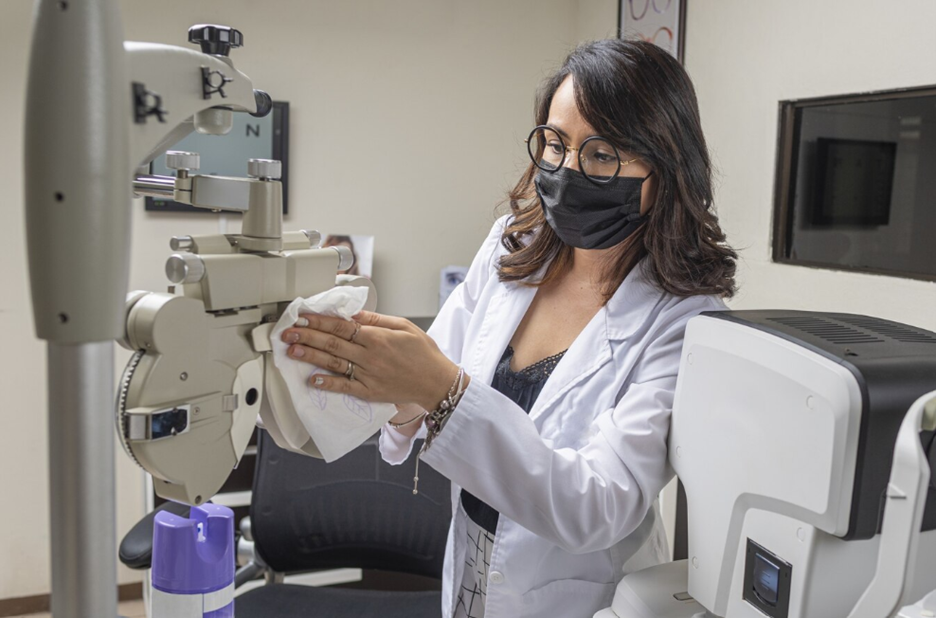
Understanding the critical need for such intervention, the Delhi Central Jail eye camp was designed to provide end-to-end ophthalmic care, from diagnosis and prescription to treatment and education.
Over the course of the day, 235 inmates and staff members underwent refraction tests, a basic yet powerful tool in assessing vision clarity. As a result, 220 individuals received prescriptions for corrective eyewear, which can significantly enhance their daily functioning and quality of life.
More alarmingly, 14 patients were diagnosed with cataracts, a condition that continues to be the leading cause of blindness in India, accounting for 62.6% of total cases. These patients were referred for cataract surgery, a life-changing procedure that restores sight and autonomy.
This camp wasn't just a check-up; it was a lifeline!
The success of the Delhi Central Jail eye care camp was rooted in the effective collaboration between public healthcare institutions and private sector support. ENTOD Pharmaceuticals, a leader in ophthalmic solutions, partnered with the specialists from Vardhman Mahavir Medical College (VMMC) and Safdarjung Hospital to deliver clinical services and much-needed education around eye health.
This public-private partnership created a robust, integrated model of care, specifically adapted for the unique constraints and needs of a prison environment. The initiative set a powerful example of how shared responsibility can bridge systemic healthcare gaps by pooling expertise, medical resources, and outreach capabilities.
The services delivered through this collaboration went beyond basic check-ups. Over 275 inmates and staff received free medicines and eye drops, helping treat common issues like dryness, infections, and allergies, often left untreated in correctional facilities.
Refraction tests were performed to diagnose vision deficiencies, followed by prescriptive support for corrective eyewear that offered long-overdue relief to those struggling with poor eyesight. For many inmates, these glasses were not just tools for better vision, they were lifelines to reading, writing, and navigating their world with confidence.
Crucially, the camp didn’t stop at treatment. Medical professionals conducted awareness sessions on ophthalmic hygiene and preventive care, equipping inmates with the knowledge to care for their eyes long after the event. In addition, eye donation counseling sessions encouraged participants to contribute to the larger cause of vision restoration, creating a sense of agency and purpose.
This initiative was about much more than addressing physical symptoms, it was about restoring dignity, building awareness, and empowering a marginalized population with tools for better health and self-reliance.
The eye care camp at Delhi’s Central Jail reached over 325 individuals, including inmates and staff, offering them access to essential vision care that had long been out of reach.
Out of these, 235 people underwent refraction tests, an important diagnostic step that helped identify vision issues often left undiagnosed in institutional settings. As a result, 220 individuals received prescriptions for corrective eyewear, enabling them to see clearly, many for the first time in years.
Additionally, 14 inmates were diagnosed with cataracts, a condition that, if left untreated, leads to blindness. These individuals have now been referred for further surgical intervention, representing a critical step toward vision restoration.
Over 275 people received free medicines and eye drops, treating a range of common ocular conditions such as infections, dry eyes, and inflammation, thus improving immediate comfort and eye health.
Beyond the medical services, the initiative also focused on education and empowerment. Several inmates participated in interactive sessions on eye hygiene, preventive care, and the significance of eye donation.
These sessions not only built awareness but also encouraged long-term behavioral change and personal responsibility for health. But numbers alone cannot capture the emotional resonance of this initiative, the joy of someone who can now read a letter from a loved one, or the self-esteem regained by an inmate who can finally navigate daily tasks with clear vision. These are the unseen but deeply meaningful outcomes that underscore the true success of the camp, transforming lives one eye at a time.
The Delhi Central Jail eye care camp is a model of possibility, a demonstration of what’s achievable when organizations collaborate with compassion and intent. However, this is just the beginning.
ENTOD Pharmaceuticals has expressed its commitment to expanding similar outreach programmes to other prisons, shelters, and underserved regions across the country.
Their approach is not charity, it is health equity in action. By focusing on scalable, replicable models of care, they aim to make preventable blindness a thing of the past.
Moreover, the success of this camp calls for greater institutional involvement. Government bodies, private firms, and NGOs must come together to:
Institutionalize routine screenings in correctional facilities
Ensure follow-up mechanisms for surgeries and treatments
Incorporate health education as a core part of rehabilitation
Build public-private partnerships to pool resources and expertise
The path forward is clear: sight for all, regardless of social status or circumstance.
The eye care camp at Delhi’s Central Jail stands as a testament to what compassionate healthcare can achieve. It transformed a prison compound into a space of healing and hope, where inmates weren’t just treated, but seen, heard, and cared for.
In a world where marginalised voices often go unnoticed, this initiative served as a powerful reminder: vision is not just about seeing, it’s about being seen.
And thanks to efforts like these, hundreds now have a clearer path forward.

More Stories

CSRBOX is India’s leading CSR knowledge and impact intelligence driven media platform for the development community. It serves as an enabler, encouraging collaboration and partnerships between CSR stakeholders. Here, we connect and inform over three million professionals through our online platform, and bridge information gaps by providing a range of services for Corporate, NGOs and Social enterprises, to enhance their capacities, aid collaboration, plan projects, publish knowledge resources, conduct research, amplify their reach and much more.
Submit CSR News
Please submit your CSR news, CSR impact story ideas to us. Our Team will get back to you within 6-12 working hours. You can also email us at info@csrbox.org© Renalysis Consultants Pvt Ltd. All Rights Reserved | Powered by NGOBOX