CFTI’s Lock Down Efforts during COVID help the Needy to Sustain Hunger

August 20, 2021
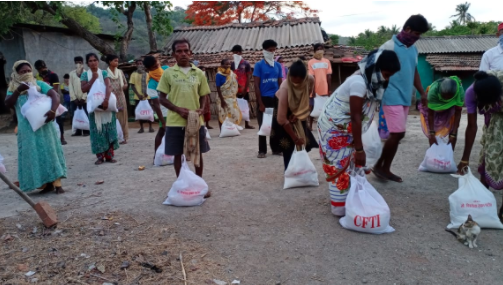
Dharavi slum areas observed social distancing
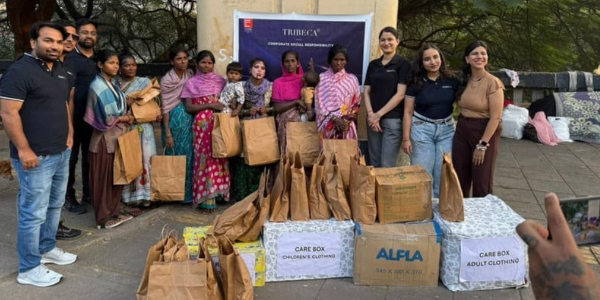
When hunger becomes an everyday matter for many, especially in the rural and marginalised communities of the remotest parts of the country, a consistent inflow of food and edible items becomes more than just a blessing in disguise. “We are extremely grateful to you for giving us food in this critical situation”, Shri Jambhle, Khairkhurd Grampanchayat. Thanks to the COVID 19 relief project run during disturbing times of the pandemic by Centre For Transforming India (CFTI), many desperate folks received their groceries on time.
The expanse of this distribution of grocery kits reached 70560 below poverty line families, daily wagers, auto rickshaw drivers. The reason for the fast reach and consistent efforts was simple – CFTI has strong grassroots connections. With more than 700 volunteers ever-charged towards the grocery kit distribution work, even the tribal people and fishermen, along with a lot of extremely hand to mouth folks from the coastal belt of Raigad, in the state of Maharashtra, were fed with and taken care of. The rural remote Naxalite- affected villages in Gadchiroli, Maharashtra were most thankful for this distribution. Last but not the least, the distribution happened in Asia’s largest slum area too - the Dharavi Slums.
Losing jobs in Dharavi Slums, Mumbai, as labourers in unorganized sectors like hawkers, drivers, maid servants, garment labourers, mechanical and engineering units, garages, construction workers, rag pickers, self-employed wireman, mechanics, plumbers, brought in extreme difficulty. This lockdown was no less than a nightmare for these people as they have lost their sources of income. Due to the lockdown the worst hit families were those that earned a daily wage and were dependent on everyday meal via everyday earning. Some of them are wood gatherers, who pick dry wood from forest and sell it further for fuel purposes. Others are gatherers who pick berries or raw mangoes and sell in local market. Some families are dependent on daily wages earned through working on construction sites, domestic work, making bamboo baskets and similar other daily works.
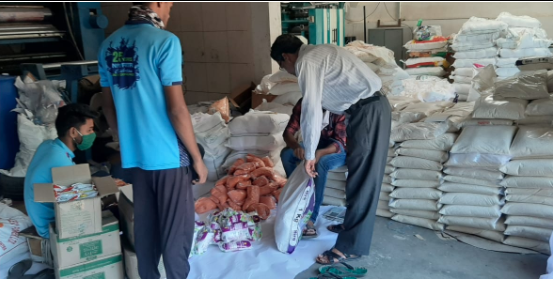
The package for distribution was given out in the shape of one grocery kit that contained rice, wheat flour, pulses, whole grain, oil, sugar, salt, turmeric, red chilli powder and other spices. The COVID Relief project was an extension of already undertaken poverty alleviation schemes that are conducted by the CFTI organisation. The already available ground level support team that undertakes door to door connects with the beneficiaries, the team was able to speedily provide the required relief work in the hour of crisis.
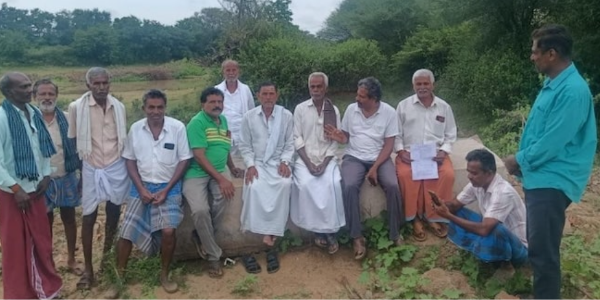
Maharashtra region’s Alibag, Murud and Roha are always flocked by tourists, where the marginalised groups of people work in these cottages and wadis as gardeners, waiters on daily wages. Due to the pandemic, all work had come to standstill. Moreover, these tribals used to sell the berries, raw mangos collected from forest to these tourists. But due to lock-down there are no tourists in this area to purchase the things from them. Plus, the police prohibited these people for any kind of collection. Similar was the plight of fishermen. “We would have died not because of corona but because of hunger. No food, no money, no one to take care of our miserable situation but you people came to help us as a God. We will never forget this help extended to us”, Prashant Shinde, Aare Grampanchayat expressed his gratitude.
The quick reach to the needy was made possible due to some outstanding factors. This is because CFTI has:
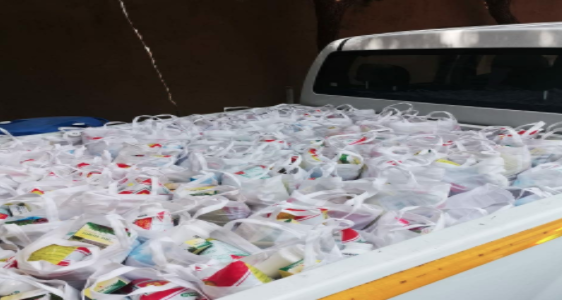
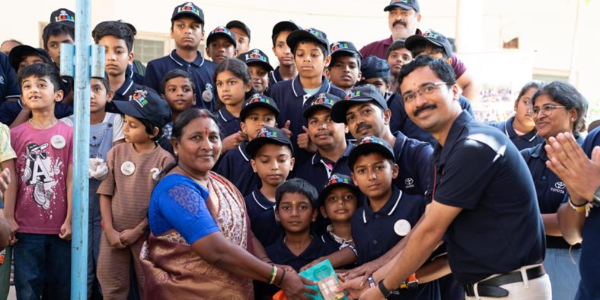
Orphaned, aged people and even the handicapped are all grateful and cannot wait to express their gratitude for this life saving activities conducted by CFTI, towards their COVID relief project. “We all are grateful to you for providing grocery kit to all the old age, orphan, handicapped people living in Shedsai Grampanchayat. It’s a basic necessity of every human being and you understood this need”, Aarya Shingre, Shedsai Grampanchayat
Small-time hawker groups from fishing communities did not have any business. During summer these fishermen purchase fresh fish that is kept in open air for drying, using sun and wind where they sell this dried fish in local market and even to the tourists. However, the pandemic grounded everyone to a halt. “Our sources of income have been stopped due to this corona virus. We had no money, no food. No one was there to help us in this bad condition but you understood our exact needs and gave us this grocery. Our sincere request to you to help us further if this lock-down continues”, Ankush Waghmare, Khairkhurd Grampanchayat.
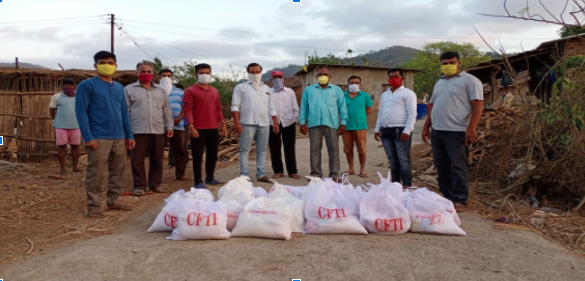
CFTI undertakes a variety of grassroot level work during emergencies, crises, lockdowns and natural calamities. CFTI is running its noble mission since 2009, while empowering the rural communities with the means of imparting education, healthcare and overall economical growth activities. The aim of this organisation is to work with weaker and marginalised groups of the society and help them overcome the obstacles faced due to lack of sufficient means that remain by and large unavailable to them. The project achieved the much-required end: “Don't let any of our fellow citizens go hungry"


More Stories

CSRBOX is India’s leading CSR knowledge and impact intelligence driven media platform for the development community. It serves as an enabler, encouraging collaboration and partnerships between CSR stakeholders. Here, we connect and inform over three million professionals through our online platform, and bridge information gaps by providing a range of services for Corporate, NGOs and Social enterprises, to enhance their capacities, aid collaboration, plan projects, publish knowledge resources, conduct research, amplify their reach and much more.
Submit CSR News
Please submit your CSR news, CSR impact story ideas to us. Our Team will get back to you within 6-12 working hours. You can also email us at info@csrbox.org© Renalysis Consultants Pvt Ltd. All Rights Reserved | Powered by NGOBOX