Harit Umang: How Panasonic Is Strengthening E-Waste Awareness Through CSR in India
India is facing a rapidly escalating electronic waste challenge as digital adoption accelerates across households, institutions, and industries. Shorter product life cycles, rising consumption of electronic devices, and limited awareness about responsible disposal have resulted in large volumes of e-waste being either improperly discarded or stored indefinitely in homes.
This not only leads to environmental degradation and health risks but also causes the loss of critical raw materials that are essential for manufacturing modern technologies. Addressing this issue requires a combination of structured recycling mechanisms, informed consumer behaviour, and sustained awareness initiatives.
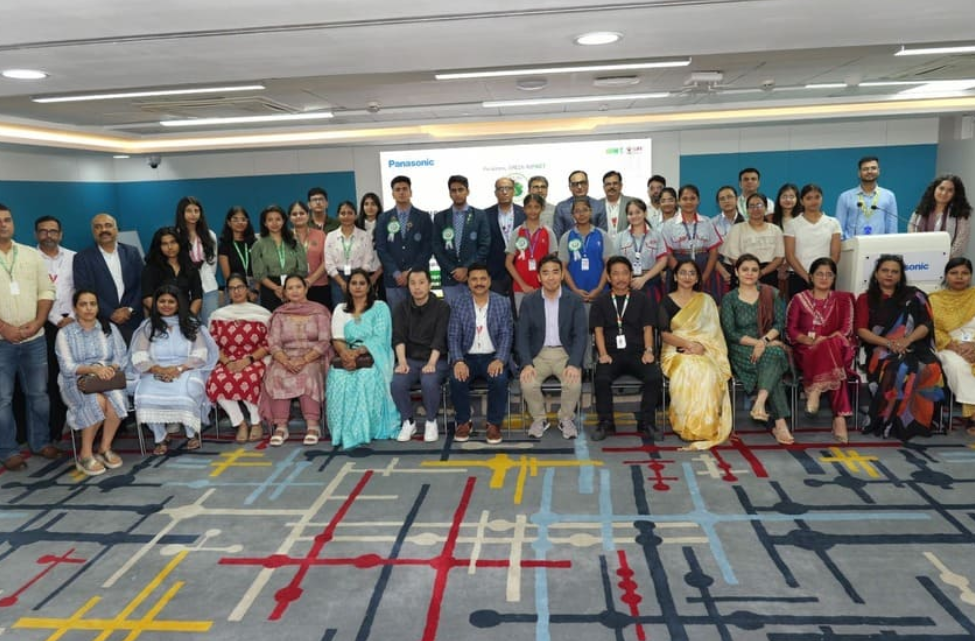
Recognising the urgency of this problem, Panasonic Life Solutions India (PLSIND) leveraged its flagship sustainability program, Harit Umang, to mark International E-Waste Day 2025 with focused efforts aimed at awareness creation, responsible collection, and long-term sustainability.
Addressing the E-Waste Challenge Through Awareness
A key focus of Panasonic’s International E-Waste Day engagement was building deeper awareness around the concept of “Critical Raw Materials,” the global theme for 2025.
These materials, which include metals and components vital to the functioning of modern electronics, are often overlooked once products reach the end of their usable life. Improper disposal of electronic waste results in these valuable resources being lost, increasing dependence on fresh extraction, and placing additional pressure on the environment.
Through the Harit Umang program, Panasonic highlighted the importance of viewing e-waste not merely as waste, but as a resource that can be recovered and reintegrated into the production cycle. The initiative helped participants understand how everyday appliances and electronic products contain materials of high economic and strategic importance.
By drawing a direct connection between responsible disposal and resource conservation, the program encouraged a shift in perception from linear consumption to circular use.
Awareness efforts also addressed the environmental and social risks associated with informal e-waste handling. Unsafe recycling practices can lead to soil contamination, water pollution, and health hazards for communities involved in unregulated dismantling.
By emphasising the need for authorised recycling channels, Panasonic reinforced the importance of structured systems that prioritise environmental protection and worker safety.
Engaging Employees and Communities in Responsible Action
Employee engagement formed a strong foundation for the Harit Umang initiative. Panasonic encouraged its workforce to actively participate in responsible e-waste disposal through the #DiwaliWaaliSafai campaign, a special collection drive that invited employees to contribute electronic waste from their homes.
This initiative was designed to address a common behavioural challenge, the tendency to hoard old or unused electronics due to uncertainty around disposal methods.
By creating a simple and accessible collection mechanism, the program helped convert awareness into action. Employees were able to responsibly dispose of accumulated e-waste, reinforcing sustainable habits within their personal spaces while strengthening Panasonic’s commitment to Extended Producer Responsibility.
This internal engagement also helped foster a culture of accountability, where sustainability became a shared responsibility rather than a top-down directive.
The initiative extended well beyond the workplace to engage educational institutions and young learners. Panasonic partnered with more than 10 institutes, 8 schools, and 2 colleges to conduct interactive learning sessions focused on sustainable practices and responsible consumption.
These sessions aimed to build foundational understanding among students about e-waste, recycling, and the environmental impact of electronic products.
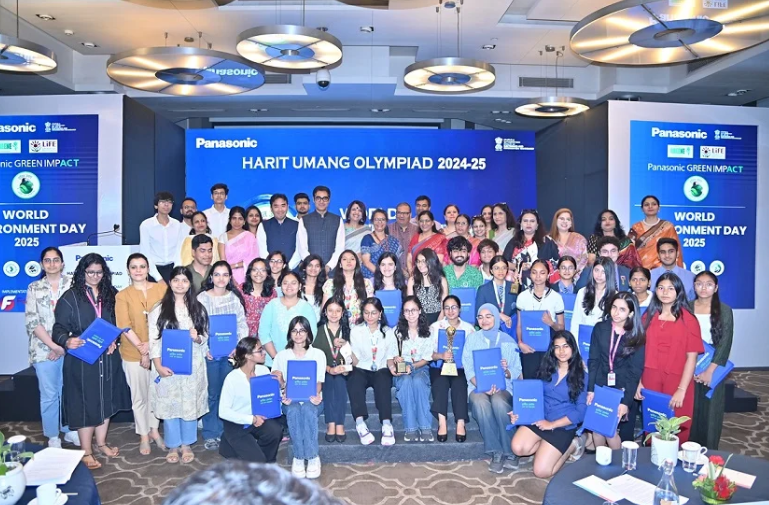
Interactive exhibitions and a curated “Gallery Walk” played a central role in these outreach efforts. Participants explored visual displays that demonstrated how critical raw materials are embedded in commonly used appliances and why their recovery is essential. By presenting complex sustainability concepts in an accessible and engaging format, the initiative made learning both impactful and memorable.
Engaging students served a dual purpose. It not only educated young individuals but also positioned them as change agents capable of influencing household and community behaviour. Early exposure to sustainability concepts helps shape long-term attitudes toward consumption, disposal, and environmental responsibility.
Strengthening Sustainable Resource Recovery
A defining aspect of the Harit Umang initiative was its emphasis on closing the loop through responsible recycling and material recovery. Awareness and collection efforts were directly linked to formal recycling systems to ensure that the environmental benefits of the initiative were fully realised.
Over 500 kilograms of e-waste collected during the campaign were handed over to authorised recyclers. This ensured that the waste was processed in compliance with environmental regulations and that recoverable metals and materials were safely extracted. By prioritising authorised recycling channels, Panasonic helped prevent the diversion of e-waste into informal systems that often rely on unsafe and polluting practices.
The initiative reinforced the idea that effective e-waste management requires collaboration across the value chain, from consumers and institutions to producers and recyclers. By facilitating this connection, Panasonic demonstrated how corporate responsibility can support broader circular economy goals.
The focus on sustainable resource recovery also aligned with Panasonic’s long-term environmental commitments, including its global GREEN IMPACT mission, which aims to significantly reduce carbon emissions by 2050. Responsible recycling contributes to this goal by reducing the need for virgin material extraction and lowering the carbon footprint associated with manufacturing processes.
Impact Created
The Harit Umang initiative translated awareness into tangible environmental and social outcomes. More than 500 kilograms of electronic waste were successfully collected and responsibly recycled through authorised channels, ensuring safe recovery of critical raw materials and reduced environmental risk.
Employees actively participated in sustainable disposal practices, reinforcing a strong internal culture of environmental responsibility and Extended Producer Responsibility. The program reached a wide network of educational institutions, engaging students through interactive sessions, exhibitions, and visual learning formats that deepened their understanding of e-waste, recycling, and sustainability.
Participants gained practical insights into how everyday electronic products contain valuable materials and why responsible disposal is essential. Collectively, these efforts strengthened community awareness, diverted e-waste from informal handling systems, and contributed to more structured, sustainable waste management practices.
Way Forward
Panasonic Life Solutions India’s Harit Umang program underscores the importance of sustained, awareness-led action in addressing India’s growing e-waste challenge.
Moving forward, continued focus on education, behaviour change, and accessible disposal mechanisms will be critical to scaling impact. Expanding partnerships with schools, colleges, and community institutions can further embed sustainability values among future generations.
Strengthening collaboration with authorised recyclers and stakeholders across the value chain will also remain essential to ensuring that collected e-waste is processed safely and efficiently. Integrating e-waste initiatives with broader sustainability priorities such as plastic management, biodiversity conservation, and energy efficiency can help create holistic environmental outcomes.
By consistently engaging employees, communities, and institutions, Panasonic aims to reinforce responsible consumption and disposal practices as everyday habits rather than occasional actions.
Through long-term commitment, structured programs, and collaborative efforts, initiatives like Harit Umang contribute to building a more resource-efficient, environmentally responsible, and sustainable future for India.

Panasonic
CSRBOX.org is the single largest CSR information dashboard for CSR heads, board members of companies, nonprofit leaders, fundraisers, government agencies and social businesses to find latest updates in CSR domain in India. The platform is powered by India's largest social sector platform NGOBOX.
IMPACT TALKS

|

|

|

|

|

|


