Hinduja Group’s CSR Initiative Revives 55 Hectares of Farmland in Tamil Nadu
Across large parts of rural Tamil Nadu, agriculture is under increasing pressure from water scarcity, degraded soil health, and rising input costs. In districts dependent on traditional tank-based irrigation systems, years of silt accumulation have reduced water-holding capacity, weakened groundwater recharge, and diminished soil fertility on surrounding farmlands.
For small and marginal farmers, these challenges translate into lower yields, higher dependence on chemical fertilizers, and growing vulnerability to climate variability.
Against this backdrop, Hinduja Foundation, the philanthropic arm of the Hinduja Group, introduced an integrated solution that addresses water management and soil regeneration together.
Through a pioneering initiative focused on desilting tanks and enriching farmlands with nutrient-rich silt, the programme has revived agricultural productivity while strengthening community-led stewardship of natural resources.
Addressing Water Scarcity Through Tank Rehabilitation
The initiative was launched under the Foundation’s flagship Jal Jeevan programme in the Krishnagiri district, a region known for its network of irrigation tanks and horticulture-based livelihoods. Over time, these tanks had lost significant storage capacity due to siltation, reducing their ability to capture monsoon runoff and recharge groundwater.
The project prioritised systematic desilting of tank beds and rehabilitation of feeder channels to restore the original water-holding potential of these structures. By removing accumulated silt and strengthening tank and channel networks, the initiative enhanced local water availability, improved groundwater levels, and increased the reliability of irrigation for surrounding farms.
This approach recognised tanks not just as water storage structures, but as ecological assets central to rural resilience.
Soil Enrichment as a Catalyst for Sustainable Farming
A defining feature of the initiative was the reuse of desilted tank material to improve farmland quality. Instead of disposing of silt as waste, nutrient-rich deposits were transported and spread across nearby agricultural fields. This enriched the soil with organic matter and minerals that had accumulated naturally over decades.
For farmers, this translated into improved soil structure, better moisture retention, and enhanced fertility. The enriched fields required lower quantities of chemical fertilisers, reducing both costs and environmental impact. Over time, healthier soils also supported stronger root systems and more resilient crops, particularly important in a region facing erratic rainfall patterns.
By linking water restoration with soil regeneration, the project addressed two interlinked challenges through a single, sustainable intervention.
Collaborative Implementation and Local Ownership
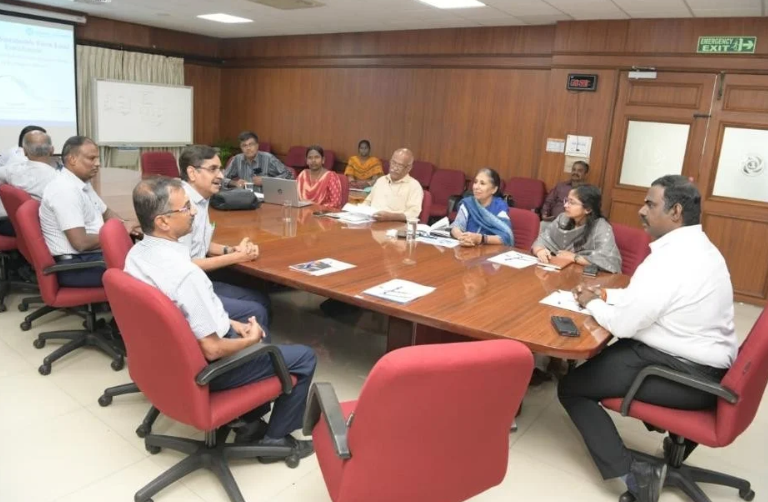
The programme was implemented by PRADAN, working closely with local communities and government institutions. Ashok Leyland supported the initiative as the CSR partner, enabling the scale and operational depth required for meaningful impact.
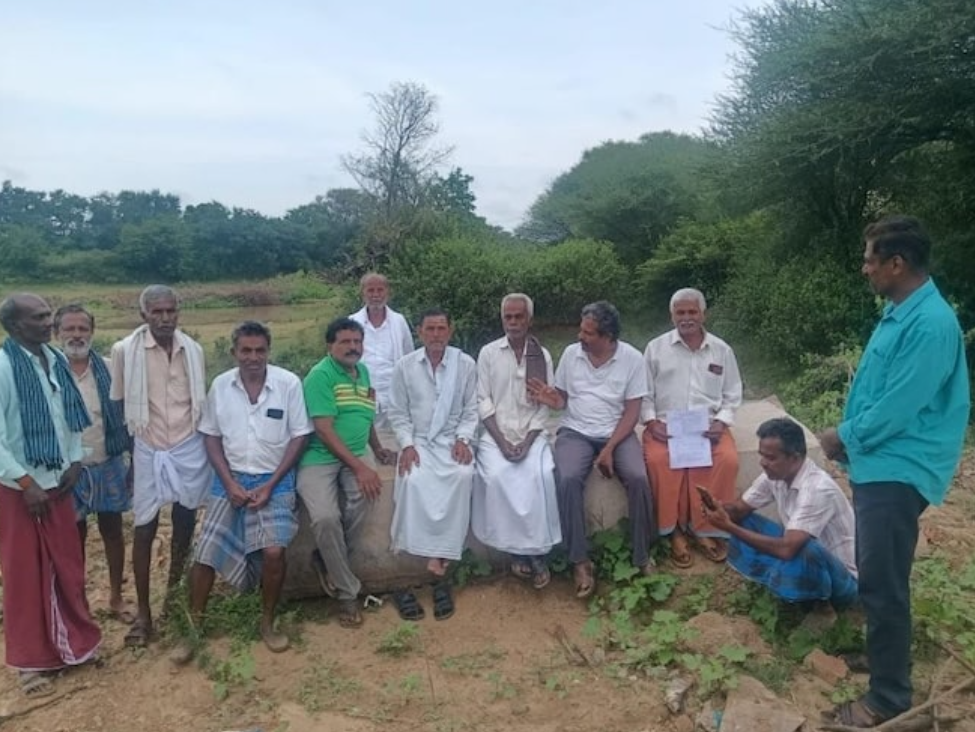
Community participation formed the backbone of execution. Farmers and villagers were actively involved in desilting activities, planning farmland enrichment, and maintaining restored assets. The formation of Tank Protection Committees ensured local ownership and accountability, empowering communities to manage water bodies collectively and prevent future degradation.
This participatory approach not only improved outcomes on the ground but also strengthened social cohesion around shared natural resources.
Supporting Small and Marginal Farmers
The initiative focused primarily on small and marginal farmers across Shoolagiri, Hosur, and Denkanikottai taluks. These farmers, many cultivating ragi and vegetables, are especially vulnerable to fluctuations in rainfall and rising agricultural input costs.
By restoring access to water and improving soil fertility, the project reduced cultivation expenses while improving productivity and yield stability.
Enhanced water storage and groundwater recharge allowed farmers to better plan cropping cycles and reduce the risk of crop failure. Improved soil health supported diversified cropping and better-quality produce, contributing to more stable household incomes.
The intervention thus strengthened not just agricultural output, but the overall resilience of farming households.
Environmental Stewardship and Climate Resilience
Beyond immediate agricultural benefits, the initiative delivered broader environmental gains. Restored tanks improved local hydrology, supporting biodiversity and reducing erosion. Improved groundwater levels contributed to long-term water security for both agriculture and domestic use.
By reducing reliance on chemical fertilisers and promoting natural soil enrichment, the project supported more sustainable farming practices. These outcomes are particularly significant in the context of climate change, where adaptive, low-input agriculture is critical for rural sustainability.
The initiative demonstrated how traditional water systems, when revitalised with modern planning and community engagement, can play a vital role in climate resilience.
A Replicable Model for Rural Development
One of the most significant aspects of the initiative is its replicability. Built on collaboration with government agencies, community institutions, and CSR partners, the model aligns with existing rural development frameworks. Its emphasis on local resources, community participation, and ecological restoration makes it adaptable across regions with similar tank-based irrigation systems.
The success in Krishnagiri highlights the potential for scaling this approach across Tamil Nadu and other states facing comparable challenges. By integrating water management, soil health, and livelihoods, the initiative offers a blueprint for sustainable rural regeneration that goes beyond short-term relief.
Impact Created
The initiative has revitalised approximately 55 hectares of farmland, equivalent to more than 75 football fields, by restoring soil fertility and improving water availability.
Over 60 small and marginal farmers have directly benefited through reduced cultivation costs, lower dependence on chemical fertilisers, and improved crop productivity.
The rehabilitation of irrigation tanks and channel networks has also strengthened groundwater recharge and increased water storage capacity, contributing to more reliable irrigation.
The impact is expected to extend well beyond the immediate beneficiaries, with more than 730 farmers across 10 villages likely to gain from long-term improvements in soil health and water security.
In parallel, the formation of Tank Protection Committees has strengthened community institutions, encouraging collective resource management and ensuring the sustainability of restored tanks and farmlands over the years to come.
Way Forward
Building on the outcomes in Krishnagiri, the initiative sets the stage for wider adoption of tank desilting and farmland enrichment as a core rural development strategy. Scaling this model can help restore thousands of hectares of degraded farmland while revitalising traditional water systems.
Future efforts can deepen impact by integrating crop advisory services, promoting diversified and climate-resilient cropping patterns, and strengthening market linkages for farmers. Continued collaboration with government bodies and CSR partners will be key to sustaining and expanding the programme.
By placing communities at the centre and aligning environmental restoration with livelihood enhancement, the initiative demonstrates how responsible, long-term interventions can transform rural landscapes. It offers a pathway toward resilient agriculture, empowered farmers, and sustainable water management, outcomes that are essential for India’s rural future.

CSRBOX
CSRBOX.org is the single largest CSR information dashboard for CSR heads, board members of companies, nonprofit leaders, fundraisers, government agencies and social businesses to find latest updates in CSR domain in India. The platform is powered by India's largest social sector platform NGOBOX.
IMPACT TALKS

|

|

|

|

|

|


