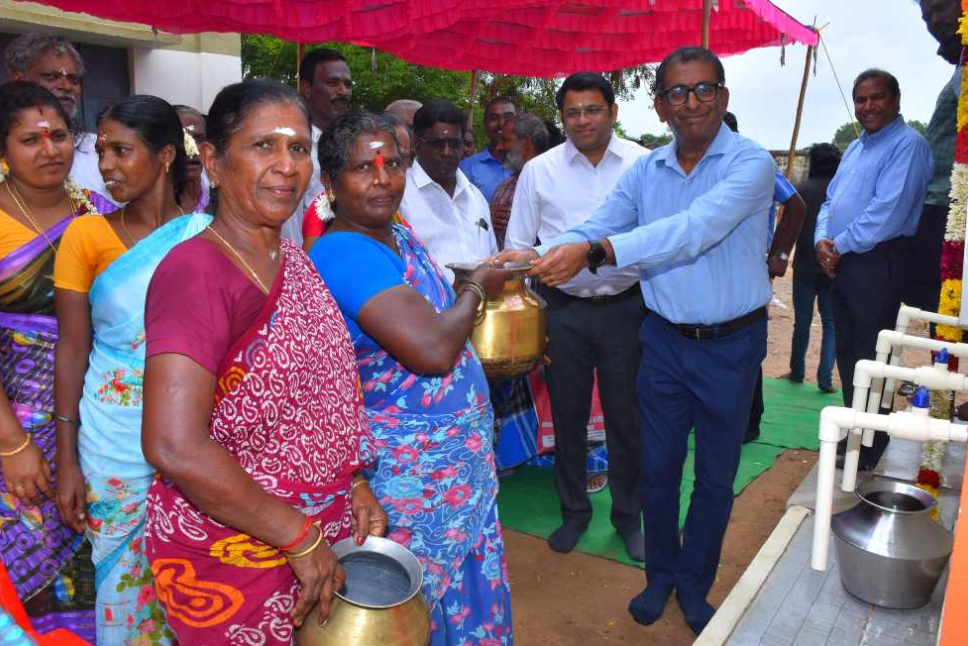
Coromandel’s CSR Program Boosts Clean Water Access in Cuddalore with New RO Plants
In many rural parts of India, access to clean and safe drinking water remains a serious concern. Villages often depend on untreated or poorly treated sources of water, which leads to the spread of waterborne diseases, poor hygiene, and deteriorating health among residents.
This issue affects every aspect of daily life, from school attendance to household income, and especially burdens women and children who are responsible for fetching water over long distances.
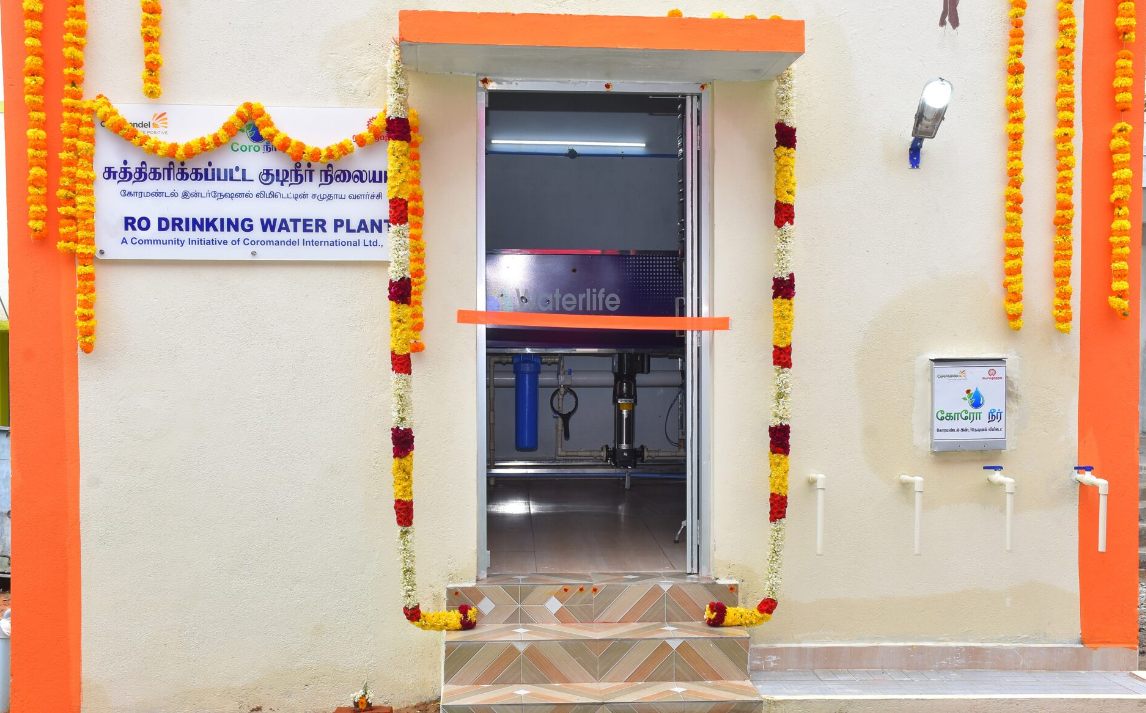
In response to this challenge, Coromandel International Limited, one of India’s leading agri-solutions providers, has taken a proactive step. As part of its community development efforts under the CoroNeer project, the company has inaugurated Reverse Osmosis (RO) Drinking Water Plants in Thiruchopuram and Thiyagavalli, two villages located in Tamil Nadu’s Cuddalore district. This initiative is aimed at ensuring consistent access to clean and safe drinking water for rural communities that have long struggled with water insecurity.
Tackling Rural Water Insecurity
Water insecurity is a deeply rooted problem in many Indian villages. Without access to purified water, families are exposed to risks such as diarrhea, typhoid, and other waterborne illnesses. In areas like Thiruchopuram and Thiyagavalli, residents have been forced to rely on contaminated sources for their daily water needs. This has often resulted in long-term health issues and increased financial pressure due to medical expenses.
To address this problem, Coromandel installed RO plants that use advanced filtration technology to remove impurities, bacteria, and harmful substances from water. These plants are built to serve the entire village population and operate efficiently to deliver safe water every day. The use of RO technology ensures that the water is not just visibly clean but also meets health and safety standards.
The newly installed facilities now serve as a reliable source of water for over 1,000 residents. This change eliminates the need for households to depend on unsafe sources or purchase expensive bottled water. It also means families can reduce the time and effort spent on collecting water and instead focus on education, income generation, and other productive activities.
Community-Driven Development
A key strength of this project is the high level of community involvement at every stage. While Coromandel provided the financial investment and technical expertise, local leaders and residents played an important role in shaping the initiative. From identifying the most accessible locations to overseeing the installation process, the villagers were actively engaged.
The inauguration of the RO plants was attended by several key stakeholders, including the Deputy Block Development Officer of Kurinjipadi Union, panchayat presidents, government officials, and village representatives. Their participation helped ensure transparency and reinforced the importance of local ownership.
Members of Coromandel’s senior leadership, including heads from the Bioproducts and CSR teams, were also present to interact with the community and affirm the company’s long-term commitment.
The plants are designed not just to deliver water, but to become community assets. Local operators have been trained to manage the day-to-day functioning of the systems, carry out basic maintenance, and monitor water quality. This helps build technical knowledge in the village and creates small-scale employment opportunities.
Additionally, involving the community in the operation and maintenance of the facility ensures that it remains functional and sustainable for years to come.
Sustainable Infrastructure for Daily Well-being
With an investment of ₹34 lakhs, Coromandel has created infrastructure that has a direct and lasting impact on people’s lives. The RO plants are strategically located to be easily accessible for all residents, including women, children, and the elderly. The design is user-friendly and allows villagers to collect water at convenient times without long queues or delays.
Beyond the physical setup, the project brings important health benefits. Clean drinking water plays a vital role in preventing disease, improving nutrition, and supporting overall well-being. With fewer illnesses, children can attend school regularly, and adults can engage more effectively in farming or other livelihoods. Families also spend less on healthcare, allowing them to save or invest in other needs.
This initiative also strengthens the larger public health system by reducing the burden on local clinics and hospitals. The availability of clean water supports better sanitation and hygiene practices, contributing to a healthier community overall.
Importantly, this effort aligns with national and global goals related to health, sanitation, and sustainable development. It directly supports Sustainable Development Goal 6, which focuses on clean water and sanitation for all. The project not only addresses immediate water needs but also sets the foundation for long-term improvements in health and community development.
Impact Created
The RO plant initiative has transformed daily life for over 1,000 residents in Thiruchopuram and Thiyagavalli by providing consistent access to clean and safe drinking water. This has significantly reduced health risks from contaminated sources and brought down medical expenses for families.
With water now easily accessible, women and children no longer need to travel long distances, leading to improved school attendance and more time for productive activities.
Beyond immediate health benefits, the project has empowered local communities through skill development and employment. Residents have been trained to operate and maintain the RO plants, ensuring long-term sustainability.
The initiative has also deepened community ownership and strengthened Coromandel’s relationship with the villages, serving as a replicable model for need-based, community-driven rural infrastructure.
Way Forward
Coromandel International’s successful implementation of the RO plant project in Cuddalore is not a one-time intervention. It represents a long-term approach to community development that blends infrastructure, education, and empowerment. The initiative has laid the groundwork for future projects that can address similar challenges in other underserved regions.
Looking ahead, Coromandel plans to replicate this model in additional villages where access to clean water remains a concern. The company will continue to work with local authorities, community leaders, and technical partners to expand its impact. There is also potential to introduce innovations such as solar-powered water purification systems, mobile water quality testing units, and awareness campaigns that encourage responsible water use.
Coromandel’s broader CSR vision includes integrating water-related projects with other development themes such as education, health, and environmental conservation. This holistic approach ensures that each initiative complements the others and contributes to a more resilient and empowered rural society.
The success of this project also highlights the role that responsible corporate participation can play in solving critical social issues. By combining financial resources with on-the-ground collaboration, companies like Coromandel can help bridge infrastructure gaps and improve the standard of living in rural India.
IMPACT TALKS

|

|

|

|

|

|
IMPACT STORIES
|
|
|
|
|
|


