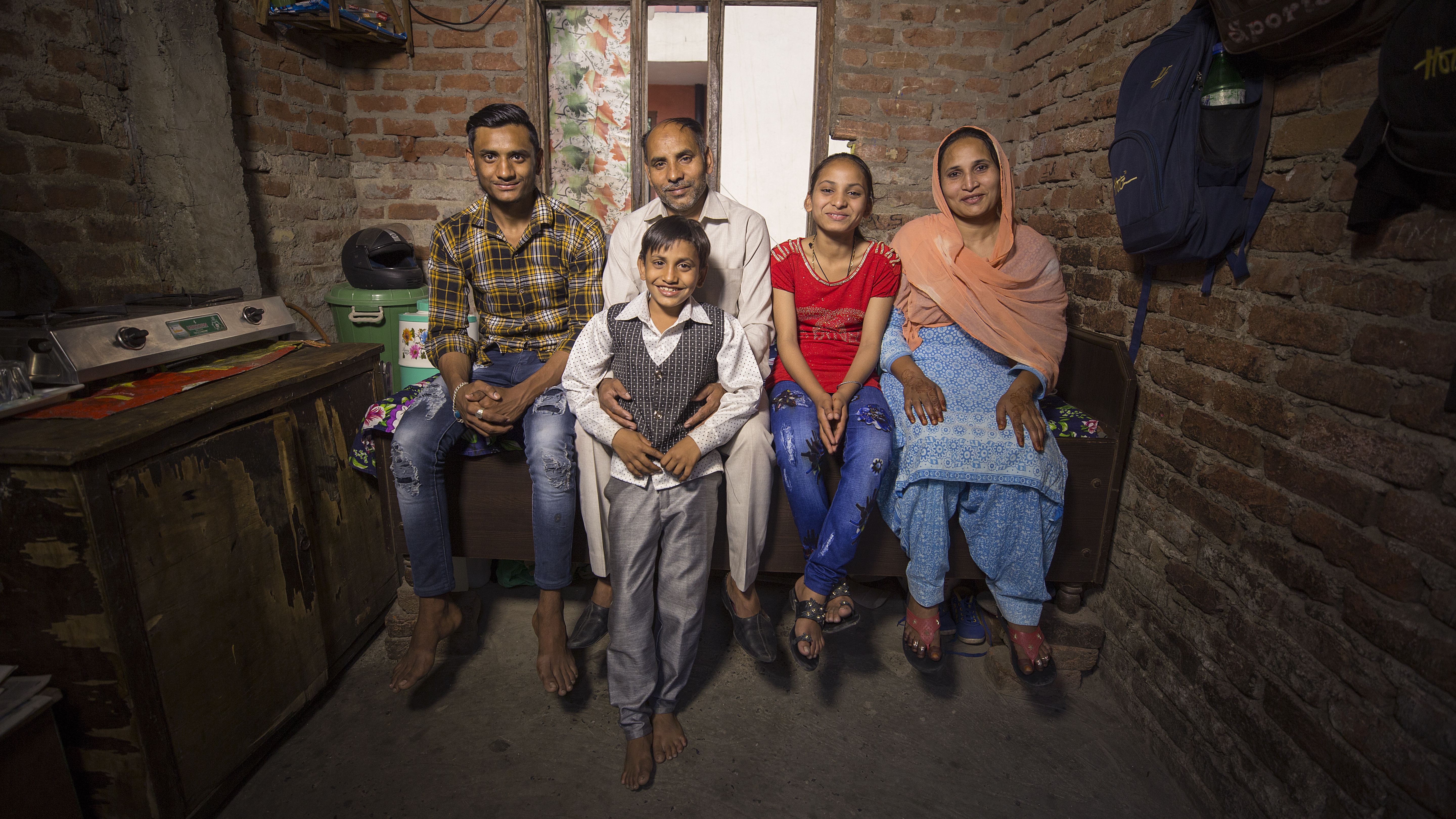
Survey reveals around 40 percent of parents might not be able to bear educational expenses
The Covid-19 crisis has majorly impacted the marginalised groups and India has seen a cascading effect on mainly livelihoods and children’s education. To build a post COVID19 plan in an appropriate manner creates the need to recognise the current challenges and behaviour which is very important information for policy makers. This encouraged Magic Bus, an NGO dedicated to education, to conduct a survey in India. The survey was conducted among adolescents and their parents spread across 39 districts and 21 states in India, representing the four regions of East, West, North and South where Magic Bus has presence. The representative sample was drawn using the PPS (Proportion to Population Size) sampling approach in selecting the clusters/districts for conducting the survey. The respondents were selected for conducting interviews using a systematic random sampling in each district.
In each household, one adolescent and one parent was interviewed. According to the survey, over 55% of the parents interviewed reported that they had no income during the lockdown, with the figures being the highest in the eastern region (63%) and lowest in the west (40%). This also impacted the mental well-being of the adolescents. A high proportion of adolescents reported that decrease in income of the family (69%) was the main concern, followed by loss of regular pay of family members (60%).
Dhanashri Brahme, Chief of Programme Operations, Magic Bus, said, "The most affected by the Covid-19 crisis are marginalised groups and India has seen a cascading effect on mainly livelihoods and children’s education. The need to identify the issues, understand and develop appropriate need based interventions to together address them in a timely manner is critical for Government and NGOs. This need, coupled with Magic Bus’ widespread reach in the marginalised communities across 22 states in India motivated us to conduct a telephone survey. It provides insights on a number of issues and it will help Magic Bus and other organisations to respond to the crisis by focussing on programme interventions that help build income security for the families and ensure continuity of learning and well-being of children."
The findings from the survey are:-
- Loss of Livelihoods: There was a 73% loss of income in the month of April (INR 2,893) over the previous month of March (INR 10,557) due to the lockdown. Maximum loss was reported in the Western region where the average income was relatively high (INR 12,465).
- Access to Government support: According to Magic Bus, More than half of the respondents (57%) mentioned that they had received Government support in some form of transfer.
- Impact on Education: According to Magic Bus, 92% of parents want to send their children to school or college after the lockdown ends. 41% parents admitted to not being in a position to afford education (South is highest at 49%).
- Food security of households: About a third of the parents (31%) said that they had supplies which would last only for a week. About 35% of parents indicated that the midday meal provided to their children in school was very important and they could not manage without it.
- Gender inequality: Women were more vulnerable with more unemployment (18% when compared to 10% in men), and high illiteracy (27% when compared to 14% in men).
- Impact on adolescent’s well-being: According to Magic Bus, 37% of adolescents reported being sad at home, 7% frustrated, and 2% depressed. 38% of adolescents reported being happy at home.
- Adolescents’ perceptions of the post-COVID world: A high proportion of adolescents interviewed were optimistic that the current crisis would be over soon (61%), and they were confident of dealing with unexpected events such as this pandemic (86%).
- Relevance of life-skills in helping adolescents copes with the uncertain nature of the pandemic: A majority of the adolescents reported that participating in life skills sessions of Magic Bus had made them more resilient and helped in dealing with the current situation (82%).
About Magic Bus
Magic Bus is one of the largest poverty alleviation programmes in India, impacting 3,75,000 children and young people in 22 states and 80 districts of India, in this year alone. We deliver our sports activity-based sessions in close to 2000 communities and 1000 schools in both urban communities and remote rural areas. Since the Livelihood programme began in 2015, we have 42 livelihood centres. Through these livelihood centres, 30,000 youth have been trained and more than 70% placed in jobs in the organised sector with an average salary of INR 10,287. Magic Bus also works in Nepal, Bangladesh, and Myanmar with 6000 children, in 40 communities and 31 schools. We have networking and fundraising offices in the US, UK, Singapore and Germany.
IMPACT TALKS

|

|

|

|

|

|
IMPACT STORIES
|
|
|
|
|
|


