The Hans Foundation Signs Strategic MoUs to Revolutionize Menstrual Health and Hygiene in Jharkhand
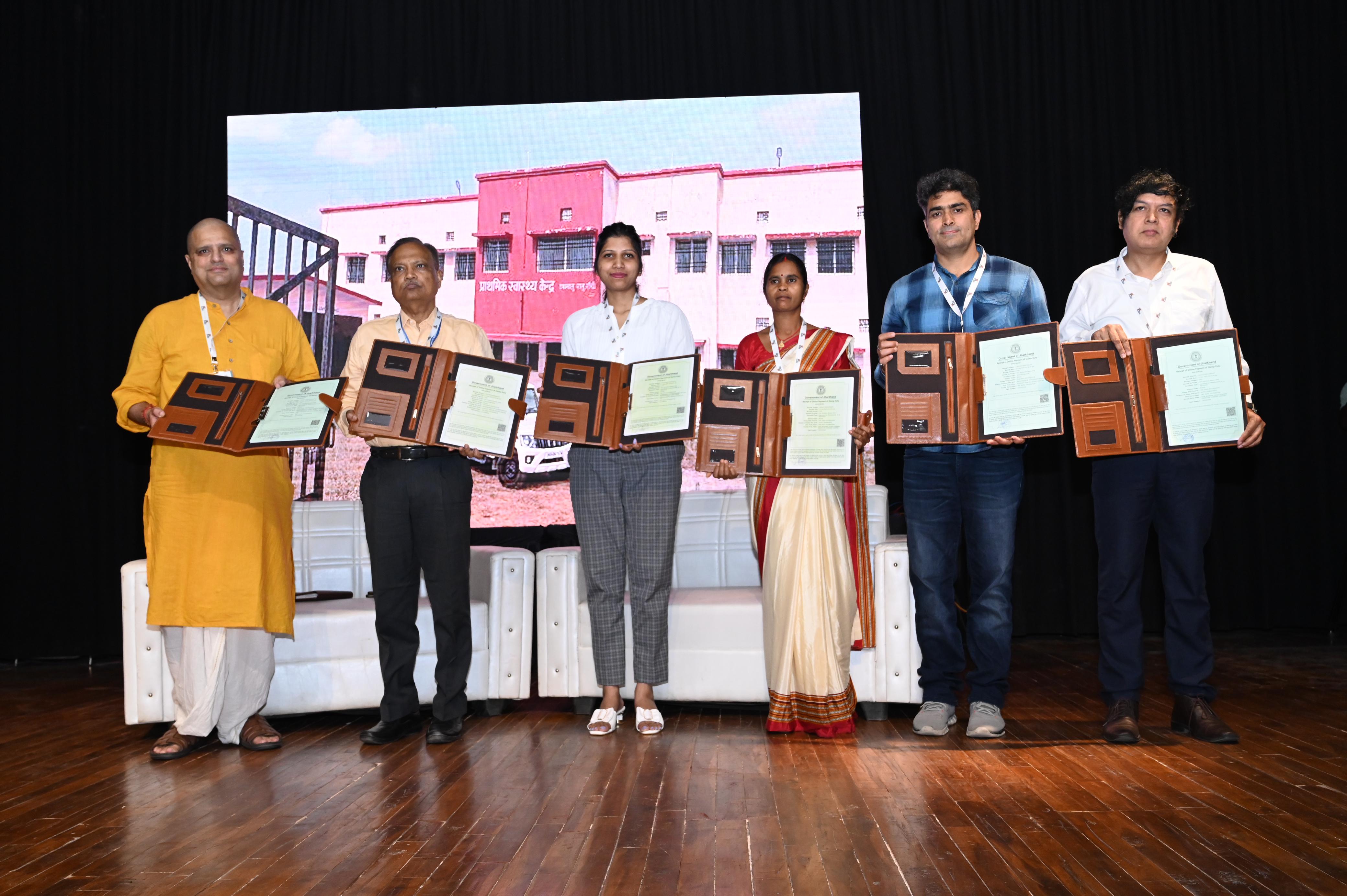
Three key Memorandums of Understanding (MoU) were signed today at the National Conference on Menstrual Health and Hygiene, which took place at the Conference Hall of the District Sadar Hospital in Ranchi, according to a statement released by The Hans Foundation (THF). This momentous occasion represents a turning point in THF's continuous endeavors to enhance menstruation health and cleanliness throughout India.
The MoUs were signed with three key partners: Menstrupedia, MVM Nutritional Products, and the District Health Society of Ranchi. These partnerships seek to strengthen healthcare facilities in rural areas, increase menstrual education, and offer wholesome dietary supplements.
The MoU between the District Health Society in Ranchi and THF aims to transform healthcare at the Primary Health Centre in Usha Matu, Ratu block. Over five years, they will upgrade facilities, increase staff, and enhance medical resources to ensure accessible high-quality healthcare. The District Health Society will handle registrations and operational support, while The Hans Foundation will manage recruitment and daily activities. Additionally, The Hans Foundation has partnered with Menstrupedia to create educational materials on menstrual health for young girls and women, including the Mini Menstrupedia comic books to educate and empower while addressing stigma. These collaborations demonstrate a shared commitment to improving healthcare and education in rural Jharkhand.
The partners came together during the occasion with the aim of addressing critical issues surrounding menstrual health and hygiene. The MoUs were signed in the presence of eminent personalities such as Ms. Akai Minz, SPC, NHM-Jharkhand, Mr. Saurav Tiwari, Program Director, Piramal Foundation, Ms. Sita Pushpa, District Social & Welfare Officer Lohardaga, Jharkhand, and Mr. Anup Hore State Lead- Plan India.
Ms. Shweta Rawat, Chairperson & Founder, THF, spoke about the conference, saying, "These Memorandums of Understanding represent a strategic step towards improving menstrual health and hygiene. By working together with partners who share our values, we hope to improve the lives of women and girls not only in Jharkhand but also beyond. Ten thousand teenage girls will receive education on optimal menstrual health, hygiene, and nutrition habits as part of the Hans Community Wellness Program. Mentorship from Village Level Health Workers will foster sustainable, long-term behavioral changes, transforming these girls into community change agents.”
India has significant problems with adolescent health, specifically related to menstruation, nutrition, and hygiene. 40% of girls aged 10-19 are anaemic, while only 57.6% of women aged 15-24 use sanitary menstruation protection (NFHS-5). Jharkhand is a prime example of these issues, with low education, inadequate healthcare, and poverty making matters worse. According to the NFHS-5, Ministry of Health and Family Welfare, only 49.6% of women in Jharkhand use hygienic menstruation protection, while 65.2% of women between the ages of 15 and 49 are anaemic. Menstrual problems are made worse by cultural taboos in rural communities, which results in low participation and school dropout rates. These elements have a substantial negative influence on the physical and mental health of teenage females when paired with inadequate nutrition, so a complete plan of action is required to address these issues.
A comprehensive approach to adolescent health is necessary, incorporating diet, hygiene, and menstrual health—all of which are essential to young girls' general wellbeing. In India, especially in places like Jharkhand, it is imperative to address these issues in order to empower teenage girls and guarantee their healthy growth.
"The focus on menstrual health and hygiene is critical for gender equality and women's empowerment," stated Dr. Neha Singh, SBCC Consultant, UNICEF. The projects of THF demonstrate their dedication to developing long-lasting and significant solutions.
The National Conference on Menstrual Health and Hygiene was highly successful, attracting approximately 300 participants from diverse backgrounds, including policymakers from health, social welfare, development, livelihood sectors, along with development partners and subject experts. The conference featured presentations from 10 experts focusing on various aspects of menstrual health and hygiene. Notably, two adolescent girls shared their personal journeys, discussing taboos, truths, support systems, and customs surrounding their first menstruation experiences.
Dr. Prabhat Kumar, the Civil Surgeon of Ranchi, played a pivotal role in ensuring the conference's success. His leadership and contributions were instrumental in facilitating meaningful discussions and advancing initiatives related to menstrual health and hygiene.
THF currently operates 72 Mobile Medical Units (MMUs) and one Community Healthcare Center in Jharkhand, with plans to expand to 80 MMUs and establish five dialysis centers. MMUs provide essential healthcare services to underprivileged and remote rural communities, addressing healthcare personnel shortages and improving health-seeking behaviors. Additionally, the foundation is launching a Girl Education project across seven schools and a Livelihood Project focused on value addition, promoting sustainable growth and long-lasting transformation in the area.
IMPACT TALKS

|

|

|

|

|

|
IMPACT STORIES
|
|
|
|
|
|


