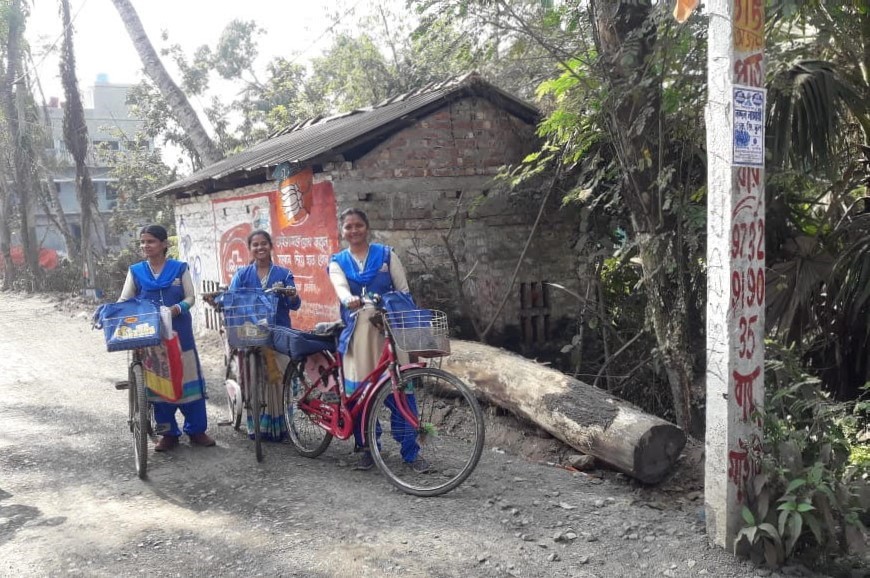
Unfazed and Undeterred in the Mission for Good Nutrition
2020 was a year of unprecedented challenges but opportunities as well. Opportunities to better understand the value of good health and immunity amidst a global health crisis. Over the past year, Adani Foundation teams closely witnessed the concerns of community members and supported them dedicatedly through tele-counselling services – enabling hundreds of families to seek healthcare services and access relief support.
The Foundation’s Project Fortune SuPoshan teams remained in touch with SuPoshan Sanginis – the trained community resources on ground – who in turn remained in constant contact with the beneficiaries. The telephonic counselling involved listening to the villager’s perceptions and problems, systematically counselling them on COVID-19, reiterating the preventive measures, addressing queries and reassuring them.
In the initial months, tele-counselling was used extensively to relay advice on the matters of staying indoors, proper hand washing, usage of face masks, social distancing etc. Further, it was used for regular dissemination of information on consuming nutritious food to boost immunity levels, helpline numbers, availability of free public distribution systems (PDS), usage of mobile application Aarogya Setu to monitor safety levels and so on. 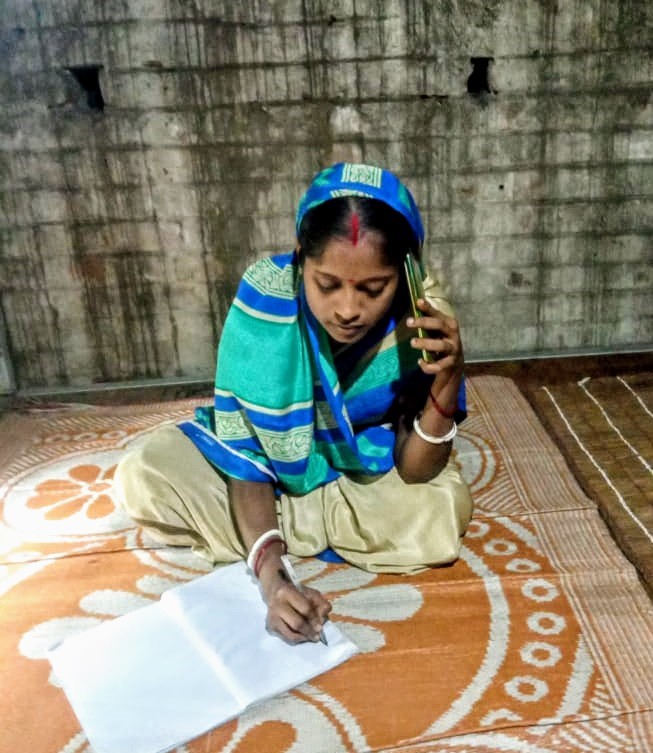
Most importantly, the SuPoshan Sanginis could continue to keep in touch with specific beneficiaries such as pregnant women, lactating mothers, adolescent girls and parents of children above 24 months. If they identified any health problems, they could provide adequate guidance on home-based remedies or coordinate with the nearest health centre to ensure that other health issues did not go unattended. Thus, food and nutrition security were guarded despite the hurdles of poor mobile network in rural areas – repeat attempts also had to be made to reach the beneficiaries as the phones were mostly carried by the male members of the family. The silver lining here was that the SuPoshan Sanginis could involve the men as well as mother-in-law figures of the family during the telephonic conversations, underlining the importance of the advice being given.
And thus, the referrals to NRC, supporting institutional deliveries even in harsh weather conditions and amidst the fear of coronavirus crisis continued. The SuPoshan Sanginis underwent online trainings to keep pace with the developments and combat rumours around coronavirus. They were being supported by their respective families as in many households, theirs was the only source of income.
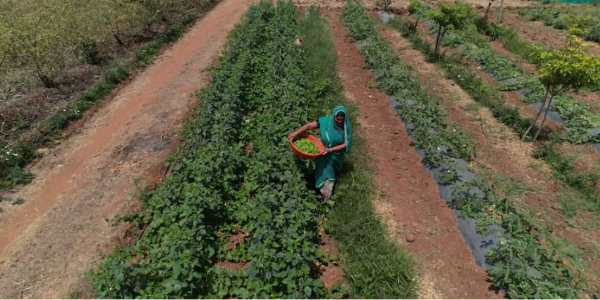
Fortunately, the concept of kitchen gardens had taken flight just before and during the pandemic. The sowing was already done in the backyards or pieces of land adjacent to the farmlands of families who were affected by lower nutritional levels. Through tele-counselling, the SuPoshan Sanginis took status update of the produce and shared nutritious recipes with the families.
The team of 17 project officers and SuPoshan Sanginis successfully reached out to 4200+ adolescent girls, 3100+ pregnant women, 3200+ lactating mothers and families of over 1200 children (+24 months) – bringing the total numbers of beneficiaries to more than 11,800 over a span of six months. 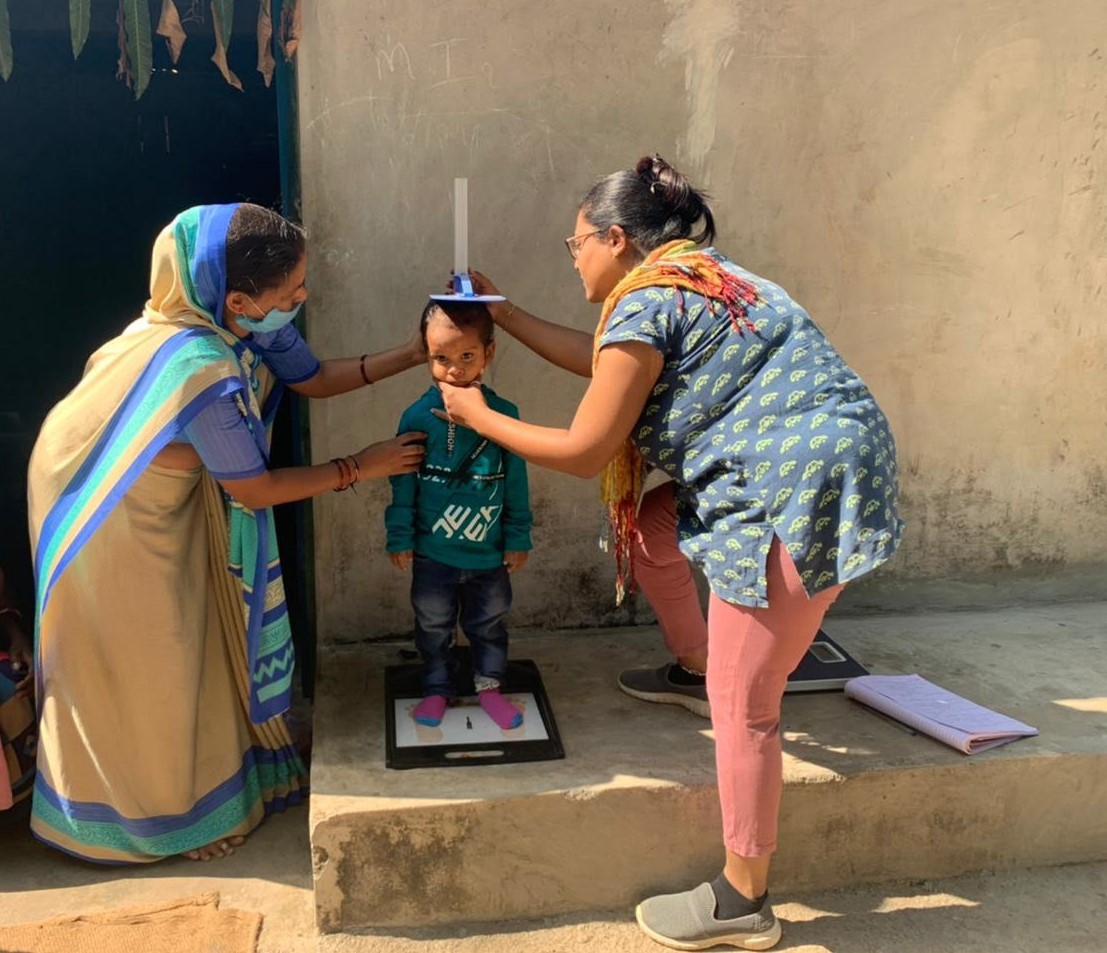
The Fortune SuPoshan project activities pivoted towards normalcy from November 1, 2020 across all CSR sites in phases. The first fortnight was dedicated for updating records, entering data of new-born children, newly pregnant and lactating women and so on. The next stage, from around November 20th to December 31st entailed detailed anthropometric measurements of all the children. In the new year, family counselling and focus group discussion have started to take place in smaller groups with requisite precautions in place. 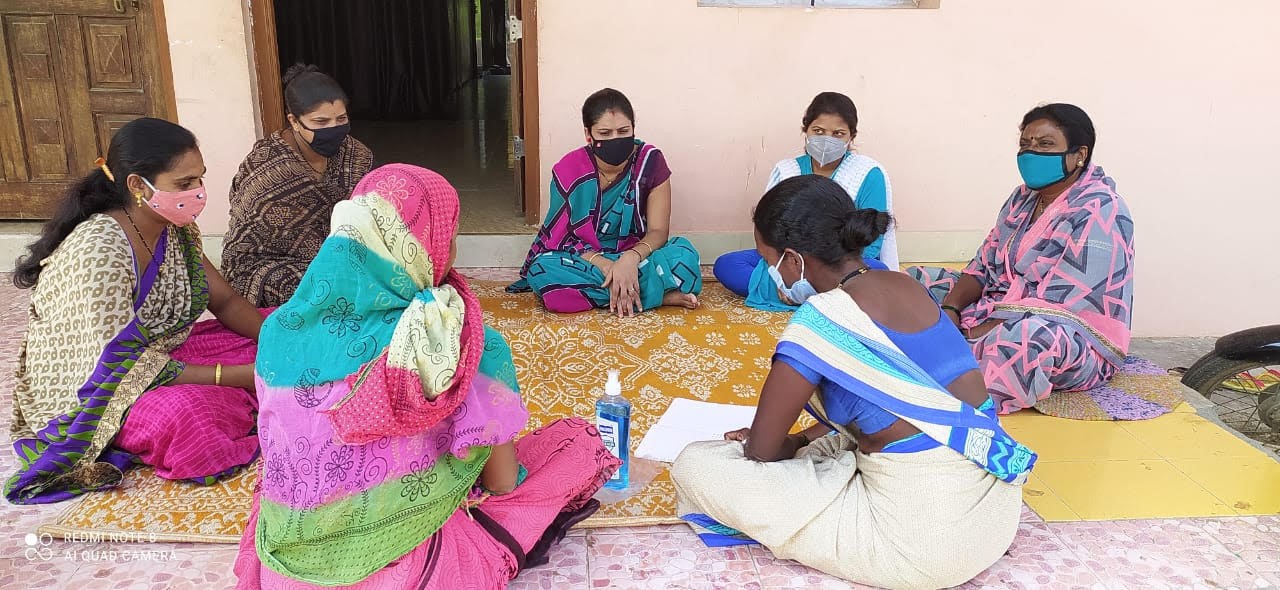
Now, with the kitchen gardens fully functional giving a good yield of green, leafy vegetables – which is also shared amongst neighbouring families – the communities are well on their way to tackle micronutrient deficiencies. The focus group discussions now revolve around the right methods of cooking, use of local and seasonal vegetables and fruits, incorporation of millets in the diet and so on. In line with the goal to facilitate behaviour change and break myths and taboos regarding food intake, especially during pregnancy and childbirth, our foot soldiers are back on front footing.
It is remarkable to note that there has not been a significant change in the malnutrition rates across all CSR sites as the beneficiaries were being counselled constantly. This is also a result of the trust and bonding fostered by the SuPoshan Sanginis, who emerged as well-accepted sources of information and guidance in these trying times. Leaving nobody behind from the bliss of a healthy motherhood and childhood continues to remain our prime approach. 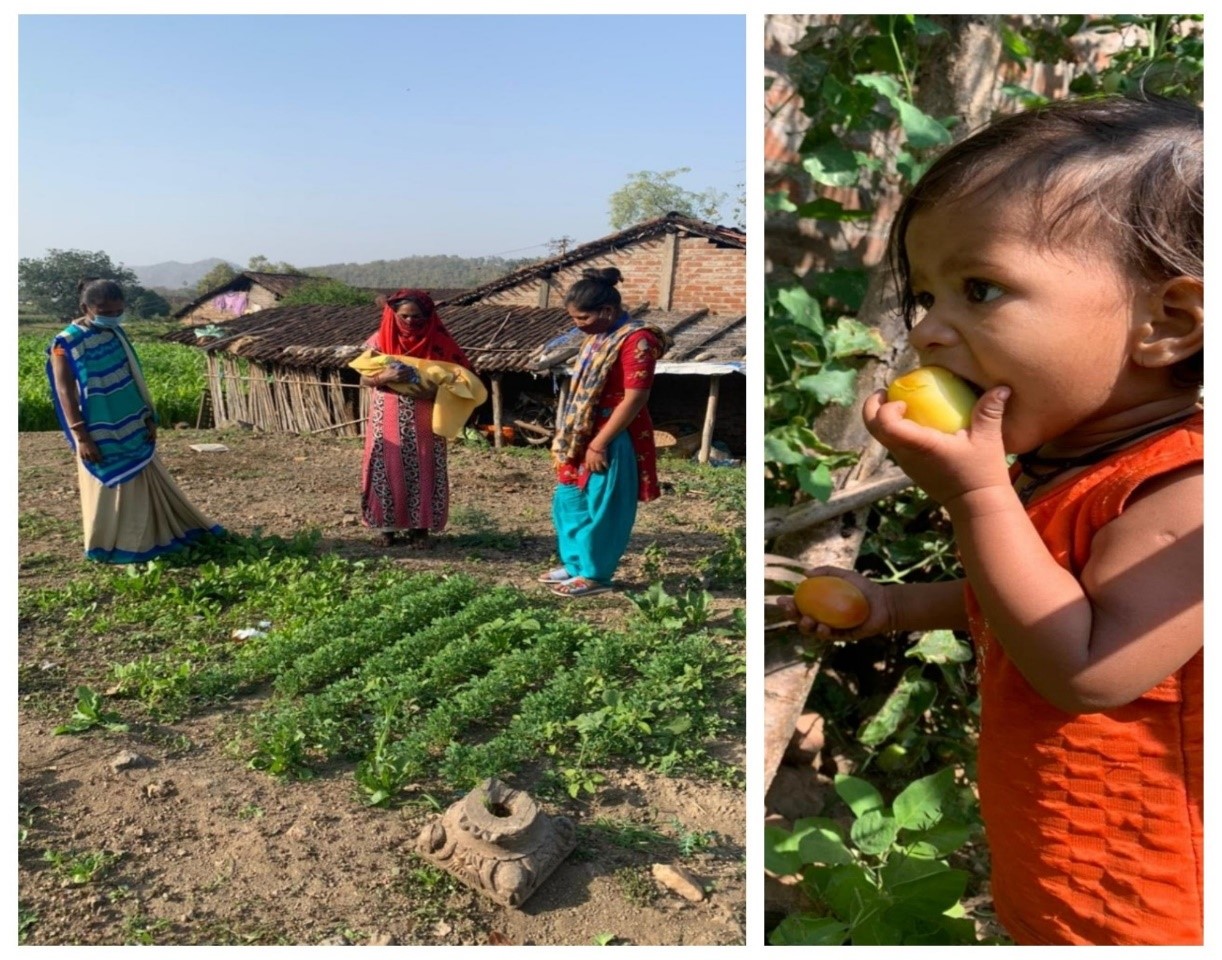
SuPoshan Sanginis Speak:
Premshila Nishad (Kunjemura, Raigarh)
“I am a Suposhan Sangini for two years and thankful for being able to manage the household expenses throughout the lockdown period. I feel pride in sharing that I have carved my own identity while actively serving those around me through correct guidance and distribution of ration. My husband lost his job as a daily wager during the lockdown and became irritable and aggressive, but over time, my contribution towards the family helped him cope and value my work.”
Vasava Neetaben Gopalbhai (Taropa, Narmada)
“During the lockdown my husband lost his job as a labourer but thanks to Adani Foundation, I could continue to work as a SuPoshan Sangini and support my children and family, fulfilling the bare minimum requirement of vegetables and other food items. I am determined to work as a SuPoshan Sangini in my village even if my husband gets a job at far off place, as a token of my gratitude towards the project and the Foundation.”
About the Author:
Kavita Sardana - Advisor, Health & Nutrition Adani Foundation
Kavita has more than two decades of teaching experience with academic background of Post Graduation in Foods & Nutrition and Dietetics from University of Delhi. Is also Masters in Education. Has been actively engaged in channelizing women power, helping them embrace a healthy, nutritional status & thereby infusing in them the confidence to become a contributing part of the society, especially those in rural settings by first making them healthy through nutritional education using local produce in the food intake and then empowering them to vocational and quality of life imperatives thus making them independent & confident.
IMPACT TALKS

|

|

|

|

|

|
IMPACT STORIES
|
|
|
|
|

|


